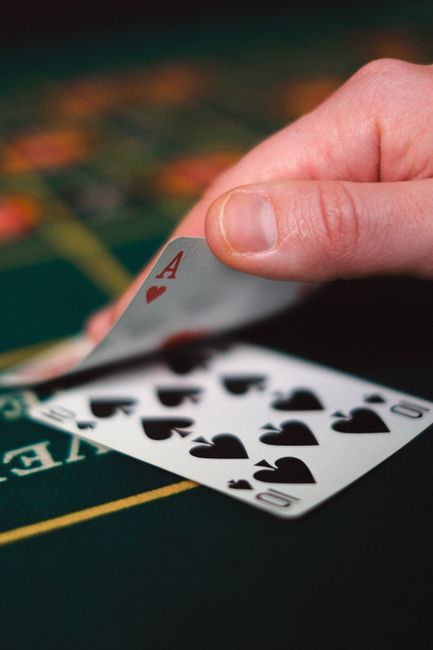
Slot Volatility Secrets: How to Pick Machines That Pay
You've probably heard that slots are random, so why bother choosing one over another? The truth is, not...

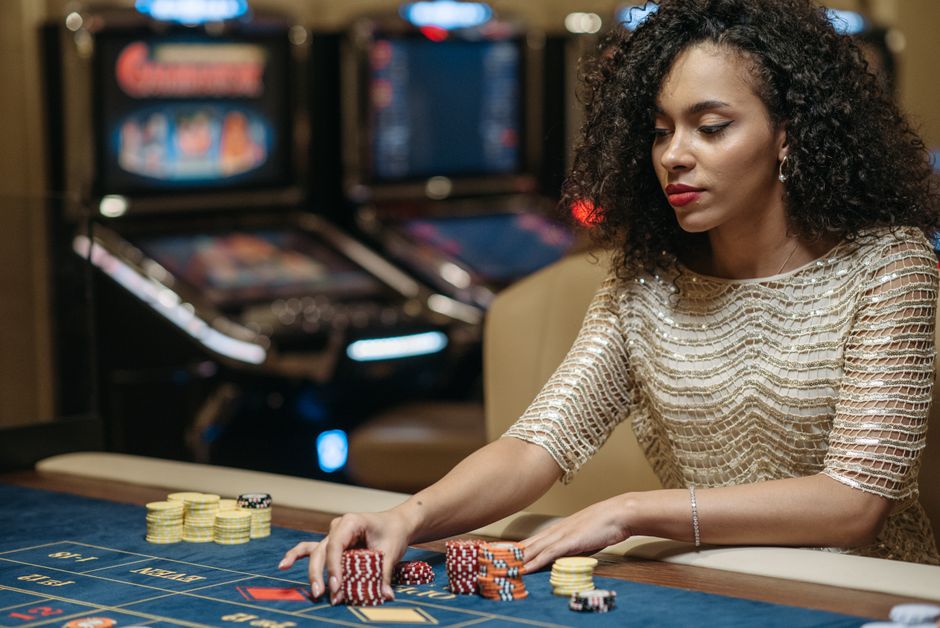
Every gambler remembers their first big win. That rush when the reels stop and the numbers line up, when the river card completes your straight, when the parlay you almost didn't place lands in the final minutes. Yet the veterans who stick around for years aren't the ones chasing that feeling. They are the ones who understood early that surviving in iGaming is a fundamentally different skill than winning one session. If you want to actually last in casino games, sports betting, slots, or poker, you need to think less like a gambler and more like a risk manager.
Let's start with numbers, because feelings lie and math doesn't. A standard American roulette wheel carries a 5.26% house edge. European roulette cuts that to 2.7% by removing one green pocket. Blackjack with perfect basic strategy runs closer to 0.5%. Online slots vary wildly, from under 1% on some high-RTP titles to 10% or more on jackpot machines with massive top prizes. Sports betting margins typically sit between 4% and 8% depending on the market.
Every one of these percentages is a long-term tax on your money. You can win a session, a weekend, even a month. But over thousands of bets, the edge grinds you down. Understanding this doesn't make the games less fun, but it stops you from treating a lucky streak as evidence of skill. It also pushes you toward smarter choices. If you are going to play, pick games with a lower edge and stop fooling yourself that your "system" has cracked a code the casino already solved.
Ask experienced players what separates them from the broke ones and most will point to bankroll discipline, not game knowledge. Poker pros can go a whole year breaking even on cards alone while still profiting because they manage stakes correctly. The same logic applies to slots, sports betting, and live dealer games.
Here is a simple framework that works:
Sports bettors should treat units the same way. Bet one to three percent of your bankroll per wager. Ten-unit days exist. So do ten-game losing streaks. The math doesn't care about your confidence.
Each vertical in iGaming attracts a different personality. Slot players often love the sensory loop, the flashing reels, the near-misses, the bonus rounds that feel earned. Sports bettors chase the pride of a correct prediction and the drama of a live match. Poker players believe they are the smartest person in the room and, occasionally, they are. Some of the clearest guidance on this comes from สล็อต.
The trap is the same in all three: they all trigger the same dopamine cycle. Near-misses on a slot activate reward pathways almost as strongly as wins. A ninety-yard drive stopped at the one-yard line hurts like a loss but pays like nothing. In poker, losing with aces cracked feels personal. Recognizing that these emotional spikes are engineered, not earned, is the first step toward clearer thinking.
Concrete habits that help:
Online casinos push welcome bonuses hard, and it works. A 100% match up to five hundred dollars plus fifty free spins sounds like free money. It isn't. Wagering requirements, max cashout caps, game weighting, and time limits usually turn those bonuses into glue that keeps your deposit on the platform longer than it should be.
A typical thirty-five times wagering requirement on a hundred-dollar bonus means you need to stake three thousand five hundred dollars before withdrawing anything. If the bonus expires in seven days, you are now on a schedule. Slot RTP matters too, but only over the long run. A 96% RTP slot still gives the house a four percent edge on every spin, forever. Picking a 97% slot over a 94% one is a genuine improvement, but it won't save you if your bet sizing is reckless.
Poker is the only major iGaming vertical where skilled players can achieve a positive expected value over time, because you compete against other players, not just the house. That doesn't mean most players win. Online poker win rates follow a brutal Pareto distribution: roughly ten percent of players take almost all the profit.
What the top tier does differently is boring. They study ranges, not hands. They understand position. They fold more than amateurs think is reasonable. They treat variance as a parameter, not a personal insult. And critically, they pick their games. Soft tables with weak players exist, especially at certain hours and stakes. A winning player at one-dollar-two-dollar is often a losing player two levels up. Table selection is an underrated skill that veteran grinders obsess over.
iGaming can be entertainment, a hobby, or even a side income, but only for people who respect what it actually is: a set of mathematically rigged environments where discipline beats intuition and patience beats adrenaline. The house edge doesn't ruin you. Impulse does. The players who survive are not luckier or smarter than everyone else. They simply made peace with the math, set rules before the first spin, and walked away when the rules said to. Do that, and you will outlast ninety percent of the people sharing the same lobby tonight.
You've probably heard that slots are random, so why bother choosing one over another? The truth is, not...
A practical guide for small voluntary groups across Wessex on finding grant funding, writing applications...
Tide times, parking quirks and seasonal dog bans decide whether a Dorset or Hampshire beach day runs...