How Wessex Charities Can Apply for Community Grants: A Step-by-Step Guide
A practical guide for small voluntary groups across Wessex on finding grant funding, writing applications...

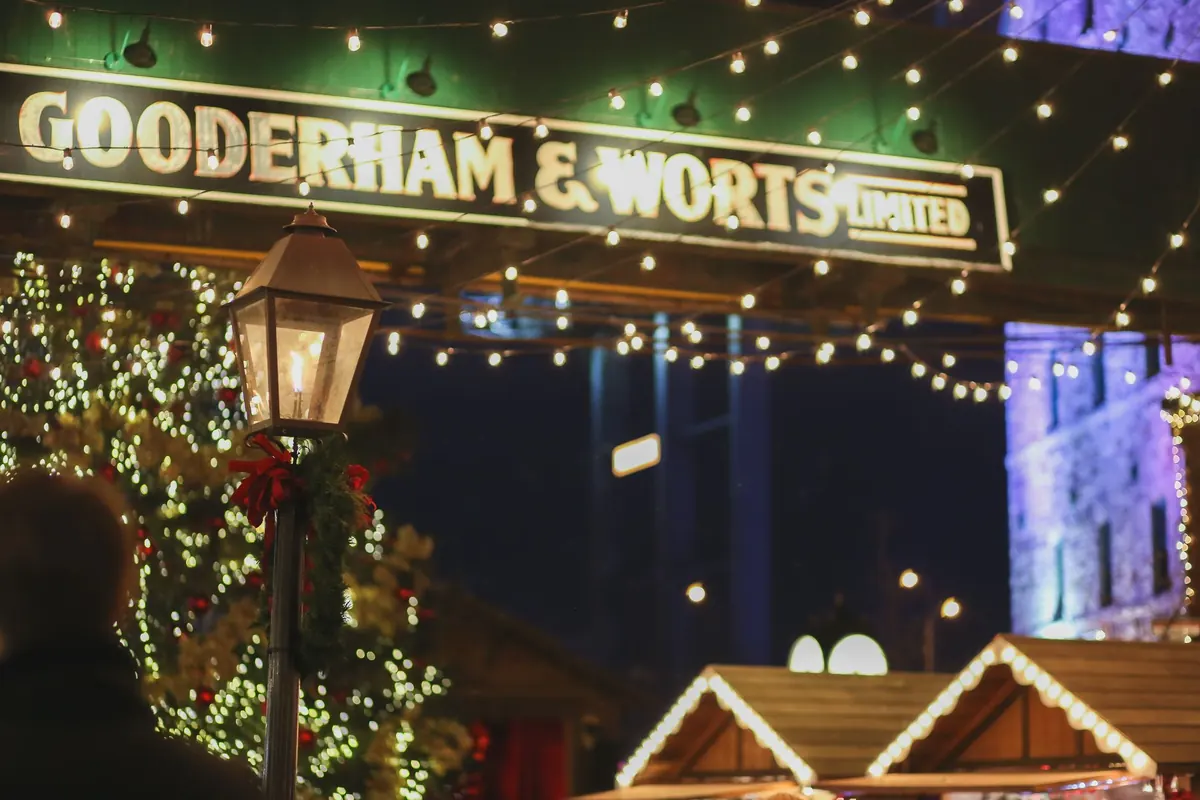
Christmas in Wessex arrives in stages. Town lights switch on in the second half of November, the chalets open a week or two later, and then four crowded weekends swallow the whole of December. The difference between a pleasant evening out and a miserable one usually comes down to timing: which Thursday your town runs late-night shopping, whether the market you had in mind closes before mid-December, and what time the last train actually leaves.
Dates shift slightly each year and organisers rarely publish the full programme before autumn, so treat the windows below as a planning guide. Coverage here sticks to the historic Wessex counties — Hampshire, Wiltshire, Dorset, Somerset, Berkshire and the Isle of Wight — and the pattern is fairly consistent across all of them.
One pattern is worth noticing: the bigger the market's reputation, the earlier it closes. Bath and Winchester are largely finished by the third week of December. If you still need something on the 23rd or 24th, you are shopping in town centres and garden centres, not chalets.
Most towns pick one weekday evening — Thursday is the usual choice — and repeat it through December, with larger shops staying open until eight or nine. Independents are less predictable. Some join in, some open late on Fridays instead, and a few treat it as a one-off party with mulled drinks on the pavement.
Late-night Thursdays sit in a useful middle ground. Quieter than a Saturday, livelier than a Tuesday afternoon. If your goal is to buy actual presents rather than soak up atmosphere, a weekday lunchtime during the first week of December beats every evening of the month.
Watch out for switch-on nights. Most towns hold theirs in mid to late November, usually on a Thursday or Friday, and they are the single busiest evenings of the season. Wonderful fun, useless for shopping.
Trains are the sensible option for Bath, Winchester, Salisbury, Dorchester, Poole, Southampton and Portsmouth. Book ahead, because advance fares on these routes disappear quickly in December, and check the last service back before you commit to an evening. Sunday timetables finish earlier than weeknight ones, and engineering works are common in the run-up to Christmas.
If you are driving, a few things help:
The larger markets require most stallholders to make what they sell, and the smaller ones are stricter still. That is good news for anyone buying presents with a bit of place attached to them.
Ask one simple question: "Where do you make this?" A maker answers with a workshop, a village, a kiln. A reseller gets vague. Buy the food early, too. The best preserves, cakes and smoked goods at a market that runs for three weeks tend to be gone by the end of the second.
If someone in your household has a food allergy or intolerance, ask about ingredients and how the product was made rather than trusting a handwritten label. Take proper advice where it matters; a busy stall on a cold afternoon is not the place to work it out.
Photo: Ryutaro Tsukata / Pexels
A practical guide for small voluntary groups across Wessex on finding grant funding, writing applications...
Tide times, parking quirks and seasonal dog bans decide whether a Dorset or Hampshire beach day runs...
Wessex's devolution deal gives a new combined authority powers over buses, skills and planning. Here's...